
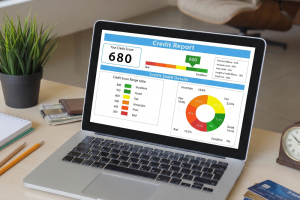
 Does credit score affect car insurance rates more than you think? Around 95% of auto insurers now use credit-based insurance scores in states where it’s allowed. Your credit history plays a most important role in determining how much you pay for coverage. What is an insurance score, and why does credit score affect car insurance premiums? We’re here to break down everything you need to know about credit-based insurance scores and their effect on your rates. In this piece, we’ll explain how insurers use your credit and what factors influence your insurance score. You can improve both your credit and insurance costs.
How Credit Score Affects Car Insurance Rates
Insurance companies rely on credit-based insurance scores to review risk when setting your premiums. The Fair Isaac Corporation (FICO) introduced this scoring system in the early 1990s. Both use credit report data, but a credit-based insurance score serves a different purpose than your regular credit score.
Your traditional credit score predicts how likely you are to repay borrowed money. An insurance score estimates how likely you are to file a claim that results in a loss for the insurer. Insurers use these scores in two ways: underwriting determines whether you qualify for coverage and rating sets your premium amount.
Studies have found a strong correlation between credit-based insurance scores and claim behavior. Drivers with lower insurance scores file claims more often than those with higher scores. Because of this relationship, insurers argue these scores help them price policies more accurately and prevent lower-risk customers from subsidizing higher-risk ones.
Not every state permits this practice. California and Hawaii ban the use of credit in auto insurance pricing, and Massachusetts does the same. Michigan prohibits its use in rate-setting. Maryland and Oregon impose strict limitations, and Utah follows suit. In most other states, insurers cannot use credit as the sole reason to deny coverage or increase rates.
What Goes Into Your Credit-Based Insurance Score
FICO developed the credit-based insurance score model by analyzing five key areas of your financial behavior. Each component carries different weight in calculating your final score.
Payment history accounts for 40% of your insurance score. This tracks how you’ve paid outstanding debts in the past. Late payments signal potential risk to insurers. A solid record of on-time payments demonstrates reliability.
Outstanding debt makes up 30%. This measures your current debt load and credit utilization ratio. High balances relative to your available credit can indicate financial strain. Keeping utilization low suggests more stable financial management.
Credit history length contributes 15%. Insurers favor longer credit histories since they provide more data to analyze. A decade-old account shows stability. A short credit history offers less insight into your financial patterns.
New credit applications weigh in at 10%. Recent applications for credit lines trigger hard inquiries on your report. Multiple inquiries within a short timeframe can signal increased financial risk to insurers.
Credit mix represents 5%. This examines the variety of credit types you manage, such as credit cards and mortgages. A diverse mix demonstrates your knowing how to handle different financial obligations.
How to Improve Your Credit Score and Lower Insurance Costs
Improving your credit-based insurance score starts with consistent financial habits. Payment history accounts for 40% of your score, so paying bills on time stands as the single most influential action you can take. Catch up on any late payments and stay current moving forward.
Keep credit card balances low relative to your available limits. Credit utilization influences your score, so balances well below your maximum credit line demonstrate financial responsibility.
You’re entitled to free credit reports from Equifax, Experian, and TransUnion once every 12 months through annualcreditreport.com. Review these reports for errors. Mistakes happen often, and inaccuracies could lower your insurance score. If you spot errors, contact the credit bureau in writing with supporting documentation. The bureau must look into it within 30 days and correct verified mistakes.
After you improve your credit, communicate with your insurer. Many companies will reconsider your premium based on updated information. If you experienced an extraordinary life event like job loss or serious illness, you can request an exception. Most insurers will review documentation and potentially adjust your rate.
You should shop around because insurers weigh credit differently. Comparing quotes from multiple companies helps you find the best rate for your current credit situation.
Your credit score plays a bigger role in your car insurance rates than most people realize. So taking steps to improve your credit can lead to substantial savings on your premiums. Start by paying bills on time and keeping credit utilization low. Check your credit reports for errors and dispute any inaccuracies you find. Shop around and compare quotes from multiple insurers, as each company weighs credit differently. Consistent financial habits will improve both your credit and your insurance costs.
FAQs
Q1. How much more do drivers with poor credit pay for car insurance compared to those with excellent credit? Drivers with poor credit typically pay significantly more for auto insurance than those with excellent credit. Even when two drivers have identical driving records and all other factors are the same except credit score, the person with poor credit can pay approximately $1,000 to $2,500 more per year in insurance premiums.
Q2. Which states don’t allow insurance companies to use credit scores when setting rates? California, Hawaii, and Massachusetts completely ban the use of credit information in auto insurance pricing. Michigan prohibits its use in rate-setting, while Maryland, Oregon, and Utah have strict limitations on how insurers can use credit scores. In most other states where it’s permitted, insurers cannot use credit as the sole reason to deny coverage or increase rates.
Q3. How often do insurance companies check your credit score? Most auto insurance companies check your credit information once every 12 months. This means that significant changes in your credit score—whether improvements or declines—may not immediately affect your insurance rates but will likely be reflected at your next policy renewal or annual review.
Q4. If my credit score improves significantly, will my car insurance rates automatically decrease? Not necessarily. While your rates should decrease after a significant credit score improvement, some insurance companies may continue charging the same rates despite your better credit. If your score has improved by 100 points or more and your rates haven’t dropped, you should contact an insurance broker and shop around for better rates with different carriers.
Q5. What’s the difference between a regular credit score and a credit-based insurance score? A regular credit score predicts how likely you are to repay borrowed money, while a credit-based insurance score estimates how likely you are to file an insurance claim. Although both use credit report data, they serve different purposes. Insurance scores are calculated differently and focus on factors that correlate with claim behavior rather than loan repayment ability.
We Provide Comprehensive Auto Insurance Services
Auto insurance provides numerous benefits, including financial protection against accidents, theft, and other unforeseen events. It covers repair costs, medical expenses, and legal fees, ensuring that drivers are not left with overwhelming financial burdens.
> Learn More
Contact us (859-781-7283) for more information or get a free quote!
—
 About Rollins Insurance
Rollins Insurance is an independent insurance agency providing our clients the best prices with the most coverage possible since 2008. We represent multiple A-rated insurance companies to make sure we deliver the most competitive rate packages to our clients in Kentucky and Ohio. We find that most people are under-insured and over-paying when we meet them. We love what we do and our primary business is Personal Auto, Homeowners, and Life and Health insurance. We are a family-owned and managed business that specializes in providing needs-based insurance services.
>> Learn More About Us and Our Staff